April 7, 2026
This article provides homeowners with a comprehensive guide on what to expect during a chimney service. Understanding the various aspects of a chimney service can help you appreciate the necessity and intricacies involved in maintaining your chimney. Whether you're a new homeowner or someone looking to enhance your home's safety measures, being informed is key.
The Importance of Regular Chimney Maintenance
A chimney plays a crucial role in maintaining the safety of your home by venting out harmful gases like carbon monoxide. Regular maintenance ensures that your chimney remains efficient and safe to use. It's not just about aesthetics; it's about protecting your home and family from potential hazards. Maintenance also helps in identifying issues before they become severe and costly. Neglected chimneys can lead to dangerous conditions, including fires and structural damage.
One of the primary reasons for regular chimney maintenance is fire prevention. Creosote, a byproduct of burning wood, can build up inside the chimney and pose a significant fire risk. When a fire occurs inside the chimney, it can spread rapidly, endangering your home. Regular cleaning and inspection can significantly reduce this risk. Additionally, maintaining your chimney can improve the air quality within your home.
A well-maintained chimney enhances the efficiency of your heating systems, ensuring that the warmth is adequately distributed throughout your home. This not only creates a cozy atmosphere but also helps reduce heating costs. By complying with local regulations and standards, regular chimney maintenance ensures that your home is up to code and reduces liability issues. Extending the lifespan of your chimney through routine maintenance is not just wise but also cost-effective, saving money as you avoid major repairs.
Chimney Service Appointment Preparation
Scheduling your chimney service at the right time of year is crucial for optimal results. The best time to service your chimney is during the off-season when chimney sweeps are less busy. This often results in more flexible scheduling options and potentially lower costs. According to the Chimney Safety Institute of America, a chimney sweep and inspection generally takes one to two hours. Blocking out time to have your questions thoroughly answered is critical. By planning ahead, you can avoid the rush and ensure a thorough service.
Before your appointment, it's essential to clear the area around the chimney. This allows the chimney professional to access the work site without obstructions. Make sure to move any furniture, decor, or valuables away from the area to prevent damage. Clearing the area also facilitates the cleanup process after the service is complete.
Understanding the role of the chimney sweep can enhance communication and expectations. A professional sweep will not only clean the chimney but also inspect it for any hidden issues. It's worthwhile to prepare questions or concerns you may have ahead of time. This interaction can provide valuable insights into the condition of your chimney. Knowing what services you need beforehand also helps to streamline the process and ensure all necessary work is completed during the appointment.
The Inspection Process
During a chimney service, inspections are classified into three different levels: Level 1, Level 2, and Level 3. Level 1 is the simplest form, involving a visual examination of the chimney's exterior. It's recommended for chimneys that receive regular maintenance and have not undergone any major changes. Level 2 covers more extensive inspection with video scanning, usually required when buying a house or after severe weather conditions. Level 3 is the most comprehensive, often necessary when a Level 1 or 2 inspection indicates a hidden hazard.
The tools and technology used during an inspection offer more precise diagnostics. Professionals use specialized cameras and tools to inspect the chimney's flue and other hard-to-reach areas. This helps identify issues like cracks, blockages, or excessive creosote buildup. These technologies enable a thorough inspection without dismantling chimney components. Utilizing these tools ensures nothing is overlooked.
Common issues identified during a chimney inspection include cracked flue tiles, creosote buildup, and faulty dampers. Once the inspection is completed, the chimney professional will provide you with a detailed report. Discuss the findings with your chimney professional to fully understand the state of your chimney and what repairs or changes are necessary. This dialogue is important for planning future maintenance and ensuring your chimney remains safe and functional.
The Cleaning Procedure
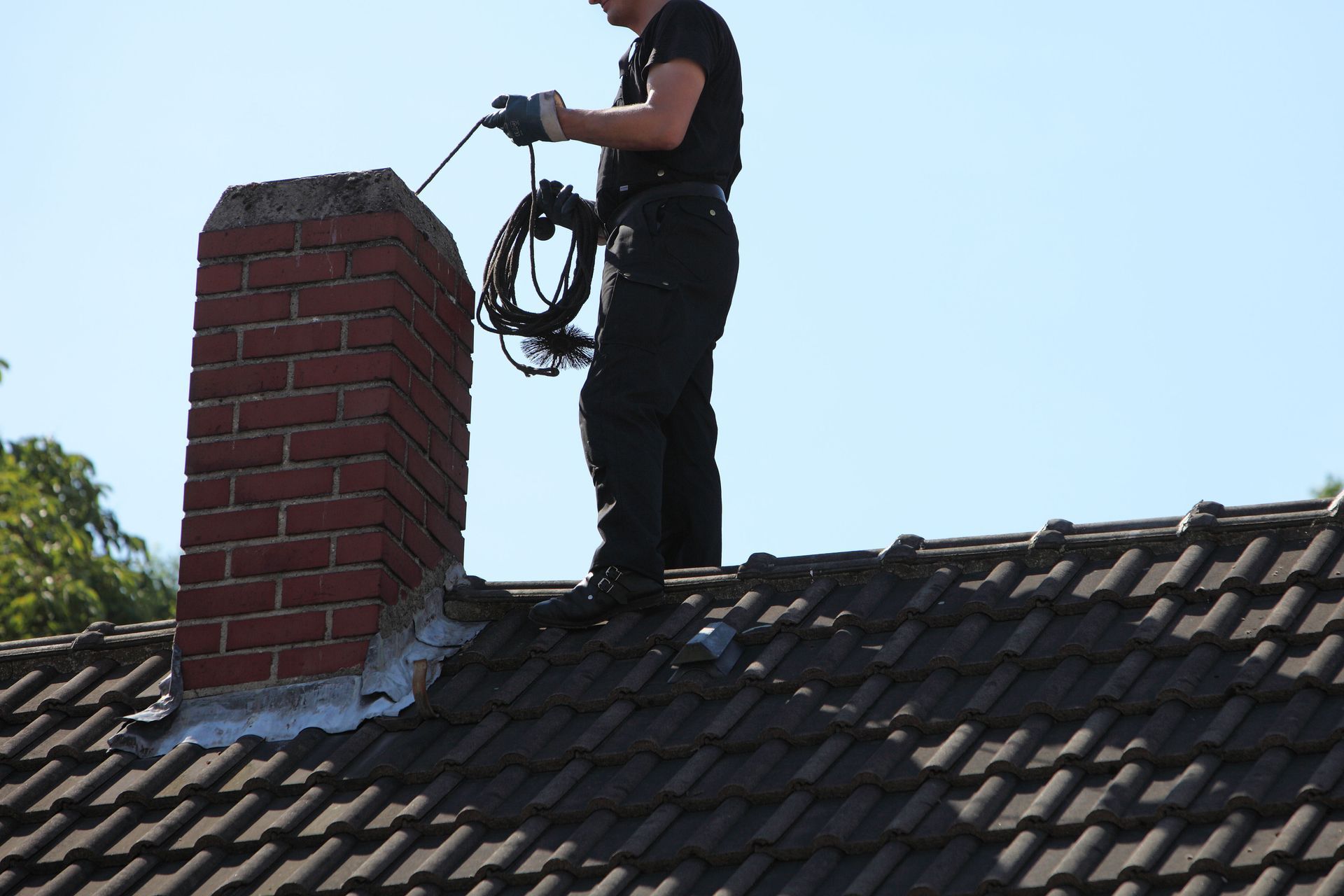
Chimney cleaning involves a range of specialized tools and equipment designed for effective results. Chimney brushes, vacuums, and creosote removal solutions are commonly used to clean the chimney thoroughly. The goal is to remove creosote, soot, and any debris that may have accumulated. Professional sweeps are trained to use these tools safely and effectively. The equipment used also includes cameras for post-cleaning inspections to ensure no spot is left untreated.
The cleaning process begins by sealing off the area to prevent soot and debris from entering the living spaces. The chimney cleaner will then start cleaning from the top down, ensuring the entire flue is cleared. Brushes and rods are used to scrub away creosote and soot within the chimney lining. Once the interior is cleaned, the chimney exterior is checked for any residual soot or debris. After a thorough cleaning, a final inspection is conducted to certify that the chimney is safe for use.
Creosote buildup is one of the main concerns during a chimney cleaning. Depending on the type of wood burned, this tar-like substance can build up quickly, creating a fire hazard. It's essential to have a professional clean and inspect the chimney regularly. Additionally, animal nests and other debris can cause blockages, making regular cleaning vital. A post-cleaning inspection and sign-off ensure the chimney is in optimal condition before it starts being used again.
Post-Service Maintenance
Post-service, a routine maintenance checklist can be an invaluable tool. Regularly inspecting your chimney for visible signs of damage or build-up can alert you to potential concerns. Having your fireplace regularly cleaned to prevent soot and debris accumulation is essential. A chimney cap can prevent animals and debris from entering the chimney. Proactive maintenance ensures your chimney remains in excellent working condition.
It's important to recognize signs that another service might be needed before your next scheduled appointment. These signs can include poor ventilation, smoke issues, or noticeable odors of burning. Addressing issues as they arise, rather than waiting for annual service, can prevent further damage. Seasonal preparation of your chimney is another crucial step. As colder months approach, ensuring that your chimney is ready for increased use can prevent unwanted surprises.
Chimney Repairs and Improvements
During chimney service, common repair needs might arise, including cracked masonry, faulty dampers, and damaged flue liners. Identifying these issues early on can prevent more extensive and costly repairs down the line. Repairs should be prioritized based on urgency and impact on chimney safety. Addressing these issues not only improves chimney functionality but also enhances house safety. Prompt action on repairs is critical to maintaining the integrity of your chimney system.
Sometimes, more advanced repairs become necessary when initial examinations reveal significant damage. These could include relining the chimney flue or extensive masonry work. Understanding when these repairs are necessary can be guided by your chimney professional. They can offer recommendations based on the findings from their inspections. Managing these repairs efficiently ensures that your home remains safe and compliant with all safety regulations.
Understanding the potential costs involved in maintaining or repairing your chimney can help avoid financial strain. Budgeting for additional repairs minimizes stress. Investing in the right contractor ensures repairs are done correctly, offering peace of mind and potentially avoiding future issues. Enhancements like installing a chimney cap or improving insulation can further enhance safety and efficiency.
Understanding what to expect during a chimney service empowers homeowners to maintain a safe, efficient, and functional chimney. Regular care, timely repairs, and periodic upgrades ensure the safety and warmth of your home for years to come. Prioritize being an informed homeowner, as this knowledge not only elevates home safety but also enhances your living experience overall. Get in touch with American Professional Chimney & Masonry today to schedule your chimney service.