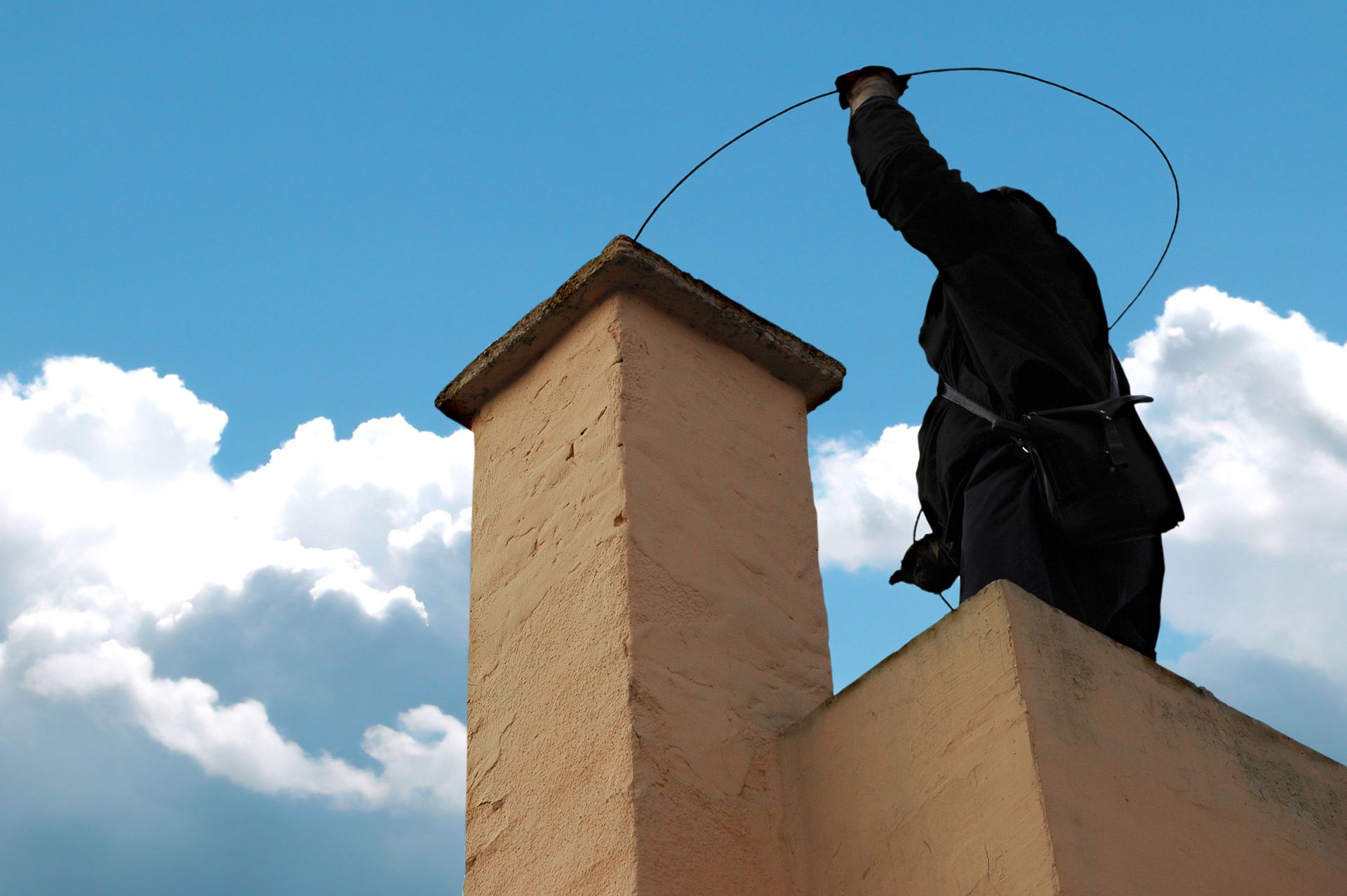
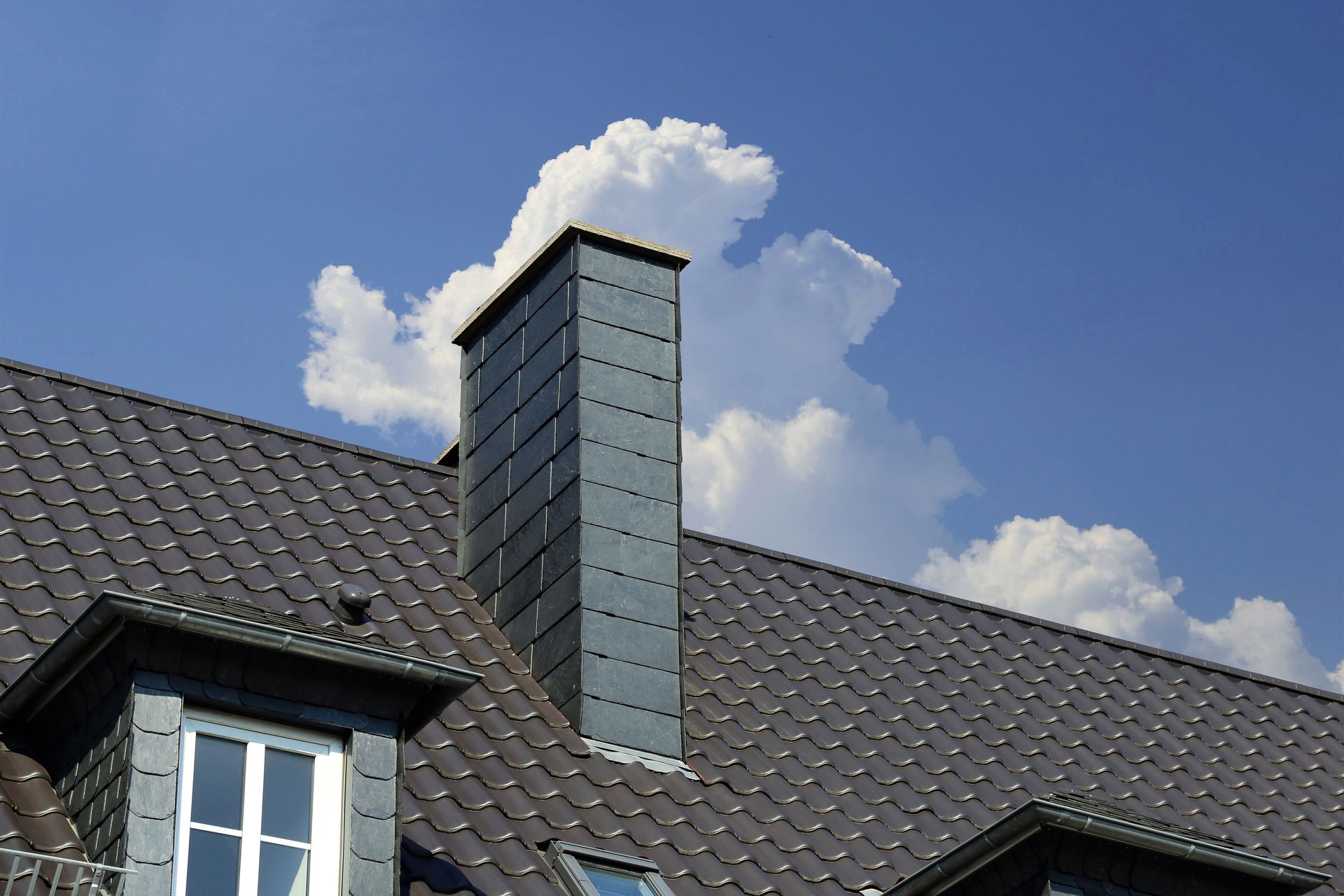
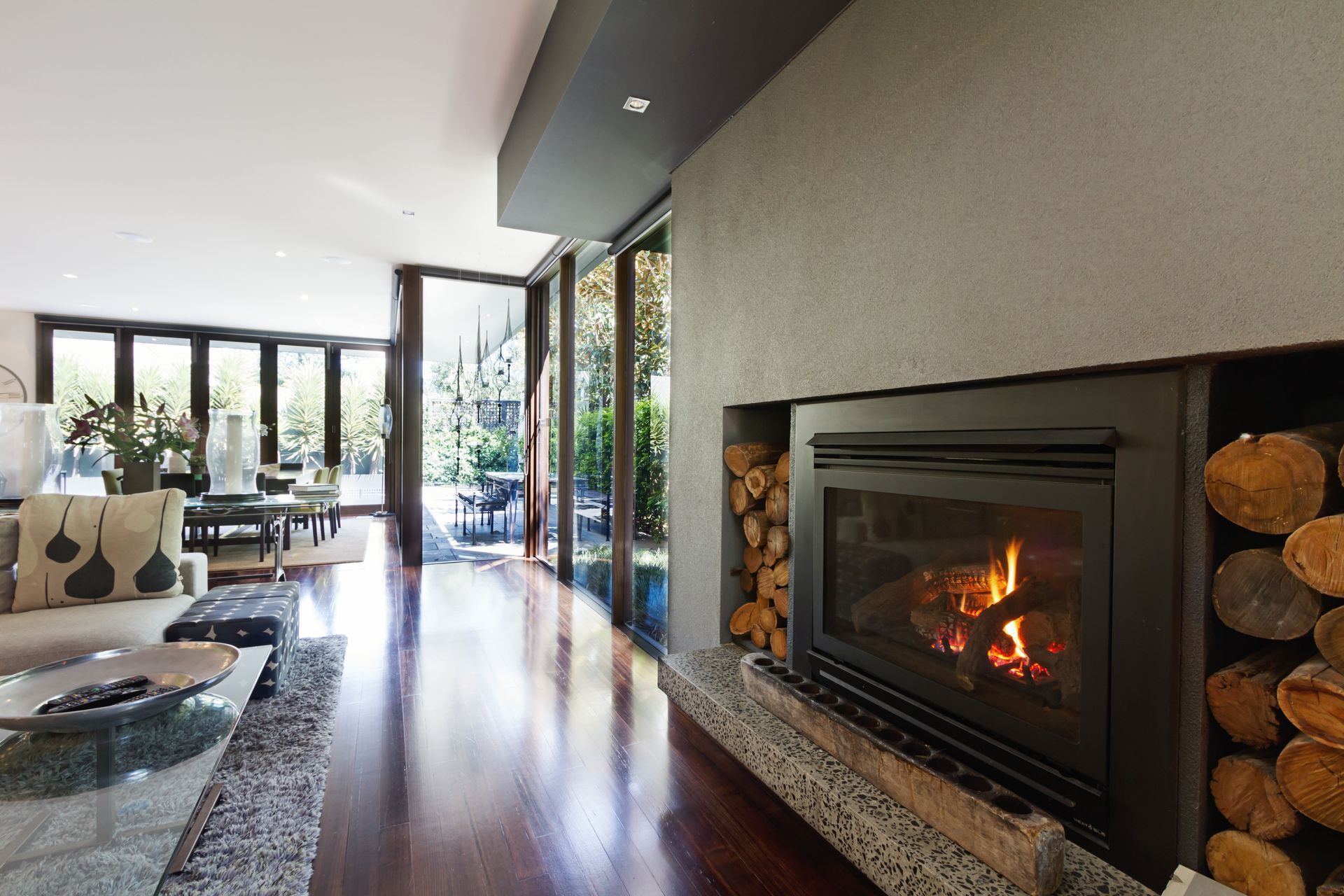
Creosote buildup is one of the most serious yet overlooked risks associated with wood-burning fireplaces and stoves. This highly flammable substance forms when wood smoke condenses inside the chimney, gradually coating the flue walls. Over time, it can restrict airflow, reduce heating efficiency, and create dangerous conditions that many homeowners do not notice until it is too late. Regular inspections and cleanings from professional chimney cleaners are essential for reducing these hazards. Understanding how creosote develops and the risks it poses can help homeowners take proactive steps to protect their property and family.
Identifying Creosote Formation Risks
Creosote forms when wood burns incompletely, producing vapors that condense inside a cooler chimney flue. As layers build up, the substance becomes increasingly thick and sticky, eventually hardening into a tar-like coating. This buildup is not only difficult to remove but also highly flammable under the right conditions. Even a small spark or high-temperature fire can ignite accumulated creosote, leading to a chimney fire that may spread to the rest of the home. Routine maintenance from professionals helps identify early stages of buildup before it becomes a serious hazard.
Recognizing Chimney Fire Warning Signs
Chimney fires often begin quietly, making early detection difficult for homeowners. One of the most common warning signs is a strong, smoky odor even when the fireplace is not in use. Another indicator is a thick, glazed creosote coating inside the flue, which can ignite under high heat. According to Market Research Intellect, it is estimated that over 15 million homes across the United States use fireplaces or wood stoves that need routine maintenance. With so many households at risk, scheduling inspections with chimney cleaners is critical for preventing dangerous conditions and protecting overall home safety.
Reducing Creosote Buildup Hazards
Preventing creosote accumulation begins with proper burning practices and consistent chimney maintenance. Using well-seasoned hardwood reduces excess smoke and limits the formation of residue inside the flue. Homeowners should also ensure adequate airflow during fires, as restricted oxygen increases incomplete combustion. Scheduling annual inspections helps detect buildup before it becomes dangerous, while professional cleaning removes hardened deposits that cannot be addressed with basic tools. Keeping the chimney cap in good condition also prevents moisture intrusion, which can accelerate creosote formation and deterioration of the chimney structure over time, for safer long-term home protection and air quality.
Creosote buildup remains a silent but serious threat to any home that uses wood-burning heating sources. Without regular attention, it can quickly escalate into costly damage or fire risk. Prioritizing inspections and proper maintenance protects both property and family. For safe and efficient fireplace performance, reach out to American Professional Chimney & Masonry for professional
chimney cleaners who can help reduce buildup risks before they become dangerous. Regular service can make a significant difference in protecting your home and maintaining proper airflow.