November 24, 2026
A chimney can look fine from the ground and still contain problems that raise concerns during a home inspection. Masonry deterioration, moisture, damaged liners, missing caps, blockages, and poor drafting can all signal that closer evaluation is needed.
At American Professional Chimney & Masonry, we inspect, clean, maintain, reline, repair, and install chimney systems throughout Maryland, Washington, D.C., and Virginia. A professional chimney inspection can help homeowners identify issues that a general home inspection may flag and determine what type of service or repair is actually needed.
Watch for Cracked or Deteriorating Masonry
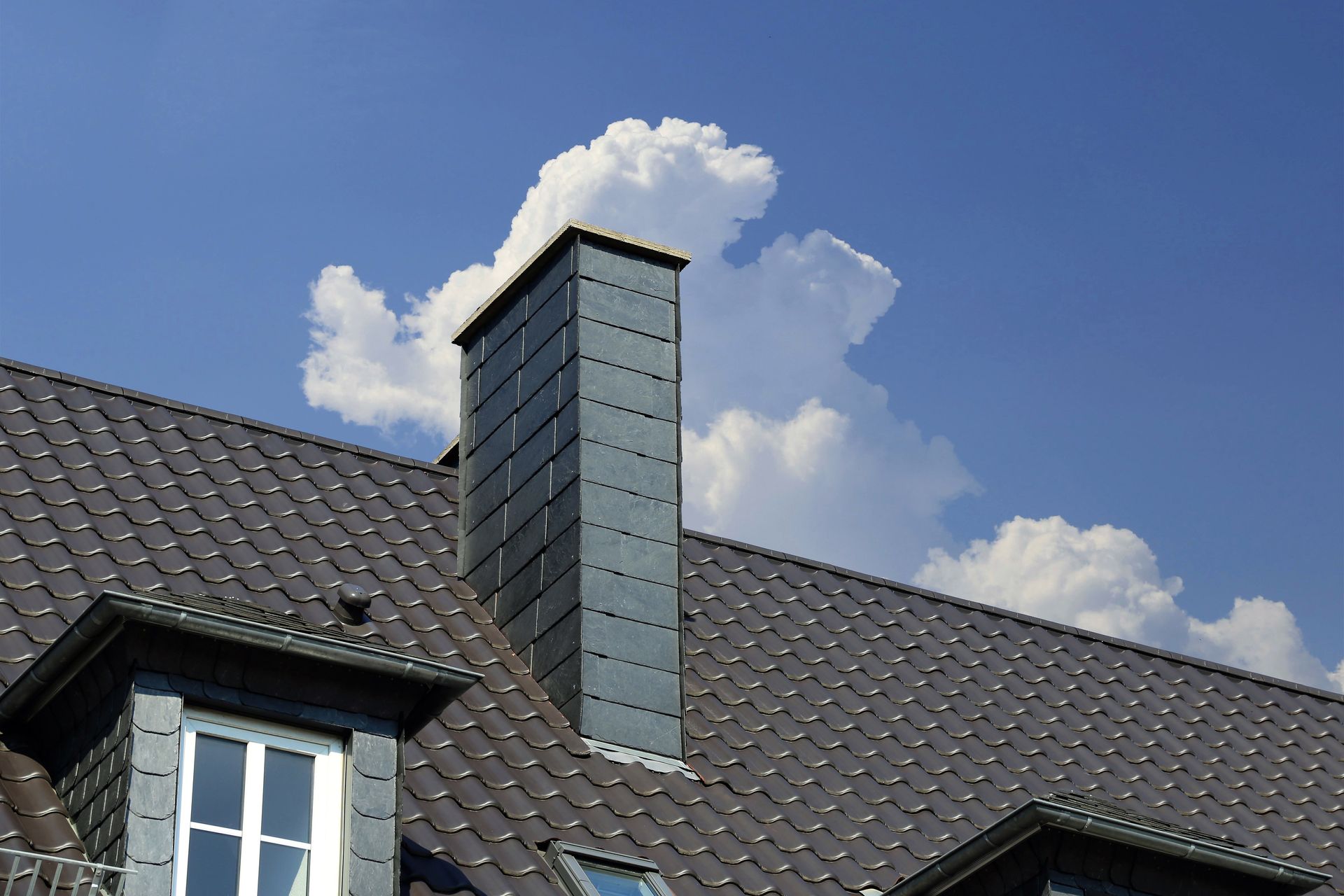
Exterior masonry is one of the first areas a home inspector can evaluate visually. Cracked bricks, spalling surfaces, missing mortar, or open joints may suggest that water and weather have already begun weakening the chimney. These conditions are especially noticeable near the crown, roofline, and upper courses where exposure is greatest.
Small defects do not always mean the chimney is structurally unsafe, but they should not be ignored. Mortar loss and damaged bricks can allow moisture to worsen deterioration through freeze-thaw cycles.
American Professional Chimney & Masonry repairs damaged brickwork, repoints mortar joints, rebuilds crowns, and provides waterproofing when appropriate. A chimney inspection can establish the extent of masonry damage before repairs are planned.
Check for Water Intrusion and Staining
Water is a common source of chimney deterioration. Inspectors may notice staining around the fireplace, damp areas near the chimney chase, white deposits on exterior masonry, rusted components, or evidence of leakage where the chimney passes through the roof.
The source may be a cracked crown, deteriorated mortar, failed flashing, missing cap, or another opening. Because moisture can travel, a stain may not reveal the entry point.
Repairing the source matters more than covering the symptom. Our team evaluates crowns, caps, flashing, masonry, and other vulnerable areas so moisture-related repairs address the actual pathway into the chimney.
Inspect the Flue Liner for Damage or Gaps
The flue liner helps contain heat and combustion byproducts as they travel through the chimney. A damaged, deteriorated, or missing liner is a serious concern because defects may expose surrounding building materials to heat or allow exhaust gases to move where they should not.
Liner problems are not always visible from the fireplace opening. Clay tiles can crack, joints can deteriorate, and older systems may no longer be appropriate for the connected appliance. That is why specialized evaluation may include a camera view of the flue.
American Professional Chimney & Masonry provides chimney liner inspections, relining, and liner replacement. We also back qualifying chimney liners with a lifetime warranty.
Look for a Missing or Damaged Chimney Cap
A chimney cap helps keep rain, animals, leaves, and other debris from entering the flue. When a cap is missing, loose, rusted, or damaged, an inspector may note that the chimney has less protection against several preventable problems.
Water entering from the top can contribute to liner deterioration, rust, masonry damage, and odors. Birds or animals can also build nests that restrict airflow, while windblown debris may create additional blockages.
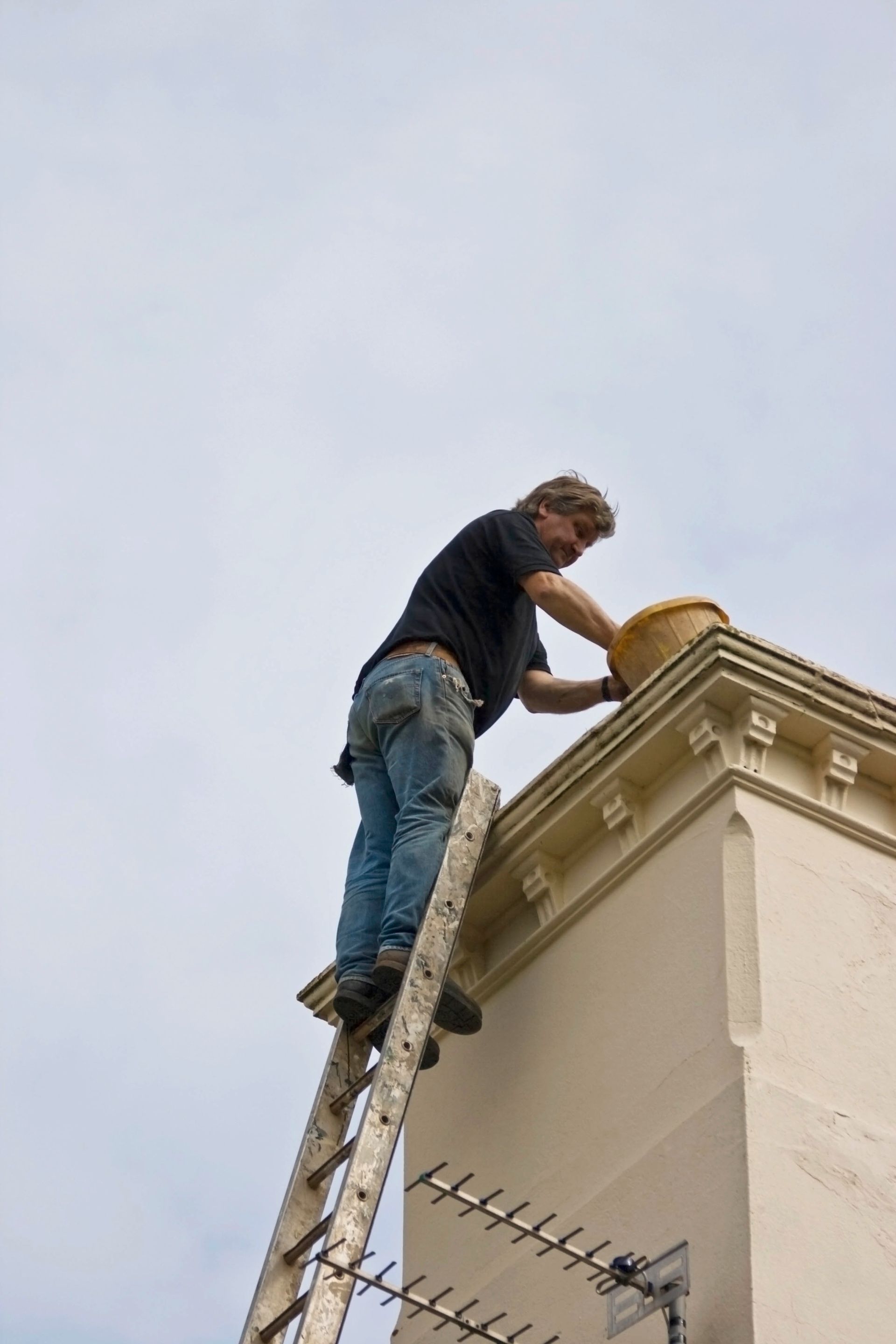
American Professional Chimney & Masonry installs and repairs chimney caps and recommends checking them during routine maintenance. A fitted cap helps protect the chimney.
Address Creosote and Combustible Buildup
Wood-burning systems can accumulate soot and creosote inside the flue. A heavy buildup may be identified as a maintenance concern because creosote is combustible and can contribute to chimney fires if it ignites.
According to the National Fire Protection Association, while larger non-confined fires involving fireplaces or chimneys were involved in fewer than one in ten fires caused by heating equipment, at 6%, they caused nearly one-fifth of the direct property damage, at 19%.
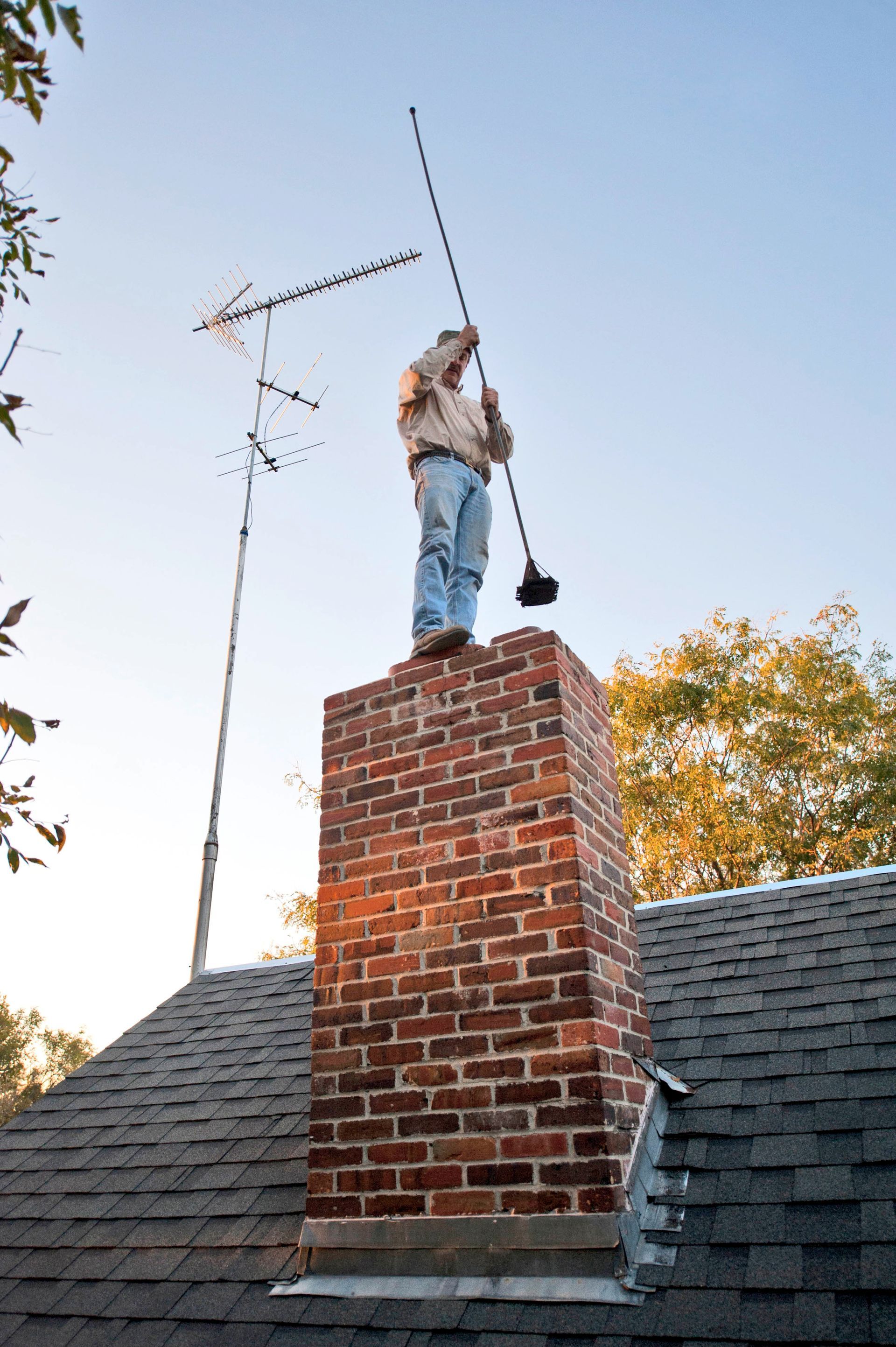
American Professional Chimney & Masonry provides cleaning that includes the flue, firebox, damper, smoke chamber, and chimney cap. A chimney inspection can determine whether buildup is present and whether cleaning or additional service is recommended before continued fireplace use.
Identify Animal Nests and Other Blockages
A flue needs a clear path for smoke and combustion gases to exit. Animal nests, leaves, debris, damaged liner pieces, or other obstructions can interfere with that path and may be discovered during inspection or cleaning.
Blockages can also contribute to smoke entering the home or make a fireplace difficult to operate correctly. Homeowners may notice unusual odors, poor draft, sounds from animals, or debris in the firebox before an inspection takes place.
Professional evaluation is important because an obstruction may be higher in the flue than can be safely seen from below. After removal, the cause should also be addressed, such as repairing or installing a chimney cap.
Review Flashing and Roofline Connections
The point where a chimney passes through the roof requires careful weatherproofing. Flashing directs water away from that opening. Damaged, loose, corroded, or poorly installed flashing may be flagged when water can enter the roof or chimney assembly.
Leaks around the chimney can affect more than masonry. Moisture may damage roof decking, ceilings, insulation, framing, or interior finishes if the problem continues.
American Professional Chimney & Masonry evaluates water intrusion as part of its repair work and can address chimney-related flashing and masonry problems. A chimney inspection helps determine whether visible moisture is connected to the chimney system or another part of the roof.
Pay Attention to Draft and Venting Problems
A chimney must create an appropriate path for exhaust to leave the home. Poor draft can cause smoke to spill into the room, make fires difficult to establish, or indicate a problem involving the flue, appliance, blockage, or ventilation conditions.
Draft problems can have several causes, so replacing one component may not solve them. Flue dimensions, liner condition, chimney height, obstructions, exhaust systems, and household air pressure can all affect performance.
Our inspections can include airflow and draft evaluations along with visual and camera assessments. That broader chimney inspection can help separate a maintenance issue from a design, liner, or venting problem that needs a different solution.
Check Clearances and Previous Alterations
Older homes may contain fireplace or chimney modifications completed under different standards or without complete documentation. A previous owner may have changed an appliance, installed an insert, altered masonry, or modified framing near the chimney.
Those changes can raise questions about clearances, liner compatibility, venting, or whether the system is appropriate for the equipment currently connected to it. A general home inspector may recommend further evaluation when the installation cannot be fully assessed visually.
American Professional Chimney & Masonry works with wood-burning and gas fireplaces, inserts, liners, installations, and repairs. Specialized evaluation can identify whether an older alteration needs maintenance or correction.
Correct Deferred Maintenance Before It Becomes a Larger Issue
Many chimney concerns are not sudden failures. They develop gradually because cleaning, masonry repair, cap replacement, crown maintenance, or liner evaluation was postponed. By the time a home is inspected for a sale, several small issues may be visible at once.
Before listing a home or after receiving an inspection report, homeowners should review:
- Masonry condition: Look for cracked brick, spalling, missing mortar, or crown deterioration.
- Moisture signs: Investigate staining, rust, leaks, or white deposits on masonry.
- Flue condition: Confirm whether the liner has been evaluated for cracks, gaps, or deterioration.
- Cap and flashing: Check that top and roofline protection are intact.
- Cleaning history: Schedule service when soot, creosote, or debris may have accumulated.
American Professional Chimney & Masonry has served Maryland, Washington, D.C., and Virginia since 1972. Our CSIA- and NFI-certified team provides chimney cleaning, inspections, maintenance, relining, cap installation, crown and masonry repair, waterproofing, and chimney installation, with free same-day estimates and same-day emergency service available.
If a home inspector has raised concerns about your chimney, or you want to address problems before putting a property on the market, contact American Professional Chimney & Masonry. Our team can perform a chimney inspection, explain what we find, and recommend the appropriate cleaning, maintenance, relining, or repair services for the system.